 ChatGPT
 Claude
 Perplexity

SBI Critical Illness Insurance
In today's fast-paced world, the increasing prevalence of critical illnesses poses a significant threat to individuals and their families. Critical illnesses, such as cancer, heart attack, stroke, and organ failure, can strike unexpectedly and lead to a substantial financial burden due to high medical expenses and loss of income. In such challenging times, having comprehensive health insurance is essential, and one of the reputable options available in the market is the SBI Critical Illness Insurance policy.
State Bank of India (SBI), the largest public sector bank in India, is known for offering a wide range of financial products and services, including insurance policies. The SBI Critical Illness Insurance policy is designed to provide policyholders with much-needed financial protection during times of medical crises. This article will delve into the key features, benefits, coverage, exclusions, and overall advantages of opting for SBI Critical Illness Insurance.
Understanding Critical Illness Insurance
Critical Illness Insurance is a specialized form of health insurance that provides a lump sum benefit to the insured upon diagnosis of specific critical illnesses listed in the policy. Unlike regular health insurance plans that cover hospitalization expenses, critical illness insurance offers a financial safety net to cover costs associated with treatment, lifestyle adjustments, and other expenses not typically covered under a standard health insurance policy.
Key Features of SBI Critical Illness Insurance Policy
- Wide Range of Coverage: The SBI Critical Illness Insurance policy covers a comprehensive list of critical illnesses, which may vary depending on the chosen plan. Some of the common critical illnesses covered include cancer, heart attack, stroke, kidney failure, major organ transplant, and paralysis, among others.
- Lump Sum Payout: Upon diagnosis of a covered critical illness, the insured is eligible to receive a lump sum payout. This benefit is especially valuable as it provides policyholders with the flexibility to use the funds as needed, such as covering medical expenses, paying off debts, or making lifestyle adjustments during recovery.
- Flexible Plan Options: SBI offers multiple plan options to cater to various needs and budgetary constraints. Policyholders can choose the coverage amount and policy tenure that suits them best.
- Affordable Premiums: SBI Critical Illness Insurance policy comes with competitive premium rates, making it accessible to a wide range of individuals seeking critical illness coverage.
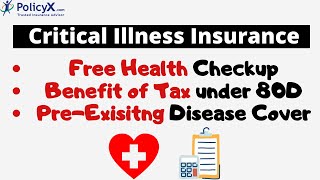
- Tax Benefits: Policyholders can avail tax benefits on the premiums paid for SBI Critical Illness Insurance policy under Section 80D of the Income Tax Act, subject to prevailing tax laws.
Benefits of SBI Critical Illness Insurance Policy
- Financial Security: The most significant advantage of having an SBI Critical Illness Insurance policy is the financial security it offers during a critical illness diagnosis. The lump sum payout ensures that policyholders can focus on their recovery and treatment without worrying about the associated expenses.
- No Limitations on Fund Utilization: Unlike traditional health insurance policies, critical illness insurance does not impose restrictions on how the payout should be utilized. This means policyholders have the freedom to use the funds as per their priorities, whether it's paying medical bills, seeking specialized treatments, or even taking a break from work for healing.
- Additional Coverage Options: Some SBI Critical Illness Insurance policies may offer add-on benefits, such as coverage for specific disabilities resulting from an accident or coverage for other family members under a family floater plan.
- Peace of Mind: Knowing that you have critical illness insurance from a reputable institution like SBI provides peace of mind to policyholders and their families, alleviating stress during difficult times.
Eligibility Criteria
The eligibility criteria for SBI Critical Illness Insurance policy may vary depending on the specific plan and the age of the applicant. Typically, the age range for eligibility lies between 18 and 65 years.
Coverage and Exclusions
Covered Illnesses
The coverage under SBI Critical Illness Insurance policy typically includes a predetermined list of critical illnesses as mentioned in the policy documents. Some of the common covered illnesses include:
- Cancer
- Heart Attack (Myocardial Infarction)
- Stroke
- Kidney Failure
- Major Organ Transplant
- Paralysis
- Coronary Artery Bypass Surgery
- Aortic Surgery
- Primary Pulmonary Hypertension
- Multiple Sclerosis
- Coma
- Total Blindness & Deafness
- End-Stage Liver Failure
- Motor Neuron Disease
- Fulminant Hepatitis
- Alzheimer's Disease
- Parkinson's Disease
- Benign Brain Tumor
- And other critical illnesses
Exclusions
SBI Critical Illness Insurance policies also come with certain exclusions that policyholders should be aware of. Common exclusions include:
- Pre-existing conditions (as defined by the policy).
- Illness or medical conditions diagnosed within the waiting period.
- Critical illnesses arising due to self-inflicted injuries, suicide, or attempted suicide.
- Critical illnesses arising due to alcohol or drug abuse.
- Illnesses resulting from war, terrorism, or participation in hazardous activities.
How to File a Claim
Filing a claim for critical illness insurance by SBI is essential to receive the lump sum payout if you or the insured person is diagnosed with a covered critical illness. Here's a simple step-by-step guide on how to file a claim:
- Inform the Insurance Company: Let the insurance company know about the critical illness diagnosis as soon as possible. You can call their claims helpline or check the policy documents for instructions.
- Get the Claim Form: The insurance company will guide you and provide the necessary claim forms. You can also find the form on their website or request it via email.
- Fill Out the Form: Complete the claim form with accurate details, including the policyholder's name, policy number, date of diagnosis, critical illness details, and any other information requested.
- Gather Supporting Documents: Collect documents like medical reports, diagnostic tests, doctor's statements, and hospital records to support your claim.
- Submit the Form and Documents: Submit the filled claim form and supporting documents to the insurance company through the given channels – in person, email, online portal, or postal mail.
- Wait for Processing: The insurance company will verify your claim and check if it meets all the policy conditions.
- Decision and Payout: If the claim is approved, the insurance company will make the lump sum payout to your designated bank account based on the policy's sum assured.
- Dispute Resolution: If you have any concerns about the claim settlement, follow the insurer's grievance process. They have procedures to address customer issues fairly.
Conclusion
In conclusion, the SBI Critical Illness Insurance policy offers a crucial safety net against the financial burdens associated with critical illnesses. With its wide range of coverage, flexible plan options, and affordable premiums, SBI ensures that policyholders can focus on their recovery and well-being during challenging times. As with any insurance product, it is essential to read the policy documents carefully, understand the terms and conditions, and select a plan that aligns with individual needs and preferences.
Having an SBI Critical Illness Insurance policy provides not just financial security, but also peace of mind, knowing that one is protected against the uncertainties of life. As critical illnesses continue to pose a significant threat to individuals and their families, investing in a comprehensive critical illness insurance policy is a wise decision for securing both health and financial well-being.